
Root Canal Specialist Dublin: Differences Between a Dentist and an Endodontist?
An endodontist is a dentist who has completed additional postgraduate study with advanced training focused on the root canal, is fully registered with the Dental Council of Ireland, and works as a specialist endodontist using specialised instruments and techniques.
A major reason for this difference in surgical skills is the size of the tooth or root that will be removed. Unlike general dentistry, specialist root canal care is linked to a 98.1% five-year tooth survival rate, compared with 89.7% when treatment is carried out by general dentists. A dental procedure typically only involves the surface, but as an endodontic specialist, they remove more than the surface of the tooth. This requires finding the canals that lead to vital nerve tissue, in order to perform a thorough cleaning process. This creates quite a bit more pressure, and patients with sensitive gums tend to feel more discomfort after surgery than if they went through a traditional dental procedure instead.

Why do I need to see a root canal specialist?
If you have tooth pain, severe discomfort, or prolonged sensitivity to hot or cold temperatures, you likely need a root canal. While many dentists offer this procedure, it’s highly recommended that you go see an endodontist for the best chances at complete healing with the least possibility of recurrence.
A dental pulp infection or tooth trauma can cause a variety of problems.
- Sensitivity when eating or drinking hot or cold foods, especially at cold temperatures.
- Pain when chewing or biting down on a specific tooth can mean the nerve inside has been affected.
- Swelling or tender gums in the surrounding gums near a specific tooth, sometimes with a pimple-like bump, can be a sign of an infected tooth or abscess.
A tooth infection left untreated can worsen, potentially leading to further infection or tooth loss.
Treatments an endodontist can perform
Endodontics is the branch of dentistry that treats diseased pulp tissue. It takes place in two phases, diagnosis and treatment.
Diagnostic Phase
The Treatment Phase
What is a root canal?
Root canal (endo) treatments are a common dental procedure used to treat an infected tooth or dead tooth and help save it from extraction. Endodontists also deal with various filling materials to replace root canals. The term “root canal” means that root canal treatment removes infected or inflamed pulp from an infected tooth root through an opening made in the crown, then fills the space with gutta-percha points and seals the canal to help prevent further infection. A rubber dam is used to isolate the tooth and keep the area sterile during precise treatment. In our clinic, modern root canal treatment uses advanced techniques and state of the art equipment to improve comfort and accuracy, and if infection persists at the tip of the root, an apicectomy may be needed to remove infected tissue.
Symptoms: Do I need a root canal?
When you notice any of these signs, they may indicate a dental emergency and warrant an emergency appointment right away.
Firstly, an abscess. It’s a pocket of pus somewhere below the gum line that may be causing swelling, swollen surrounding gums, tender gums around a specific tooth, and possible tooth discolouration.
If your tooth has prolonged sensitivity to hot or cold temperatures. These are signs that severe tooth decay may be affecting the nerve inside the tooth.
If you feel dental pain or tooth pain when chewing or biting down, this can point to an infected tooth.
You have a persistent toothache or you’re sensitive to hot or cold food or beverages.
A dead tooth can be a warning sign, especially if the tooth starts to look darker than the surrounding teeth.
There has been a sudden onset of pain, especially after chewing particularly tough foods.
You have had the symptoms for more than a few days, yet no relief from ibuprofen.
Symptoms left untreated may worsen, potentially leading to tooth loss.
The procedure of a root canal
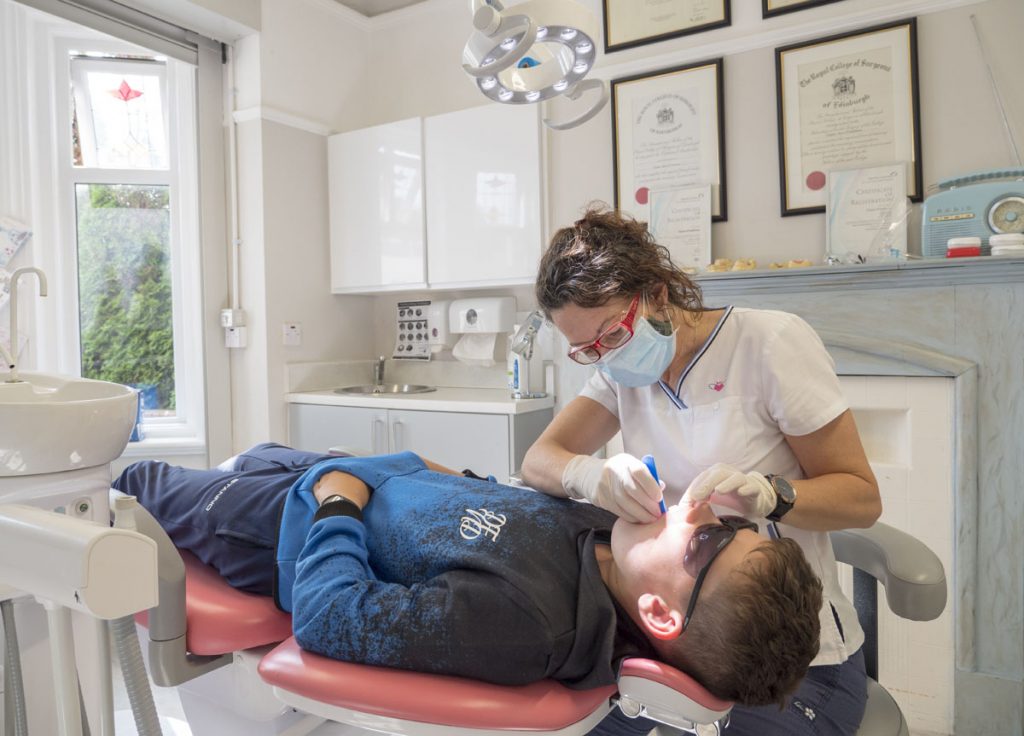
A root canal treatment typically begins with local anaesthetic to numb the area, and while “is root canal treatment painful” is a common concern, modern treatment is usually comfortable. If needed, nervous patients may also be offered sedation options such as nitrous oxide or oral sedatives to help them feel more at ease. Then, the dentist removes the nerve of a tooth (nerve removal), carefully cleans out bacteria from inside the root canal system, and places an “endodontic” filling to seal the space. Most patients have treatment completed in just one visit, although complex cases may need multiple visits. If everything goes according to plan and the endodontic filling is successful, you can expect relief that lasts for many years after the procedure. Most patients return to normal activity quickly, although a mild tenderness or dull ache can last 48 to 72 hours as the surrounding bone tissue heals.
What are the benefits of having a root canal procedure done?
Healthier teeth (including fewer cavities)
To keep your natural teeth and save teeth where possible, which helps protect long-term oral health before considering tooth extraction. If a tooth cannot be restored, your treatment options may include replacing it with a dental bridge or dental implants, and back teeth may need extra protection after treatment because they take greater chewing forces.
Your symptoms will be relieved within hours-days. The time varies depending on the severity of the problem.
Is there anything I can do to prevent tooth decay or avoid needing a root canal?
There are many things that can be done to minimise the risk of getting tooth decay or needing a root canal. Treating tooth decay early and removing decay promptly can often help you avoid more invasive care later on.
- Brush teeth twice per day, preferably with fluoridated toothpaste and rinse for at least one minute each time. Floss once per day (preferably after brushing).
- Drink 8 oz of water every hour while awake. Avoid beverages other than water if possible.
- Limit sugar intake by bringing healthier options like fruits, vegetables, and grains into your entire diet, not just for dessert purposes – this practice can reduce sugars eaten in one sitting from 30g to 15g! Avoid soft drinks and fruit juices because they have added sugars too.
So, you have some questions about endodontics? We’ve got the answers! If you are experiencing any of the symptoms we mentioned above, call your dentist or go to a dental clinic right away. An initial consultation will usually cover your treatment options and a written root canal treatment cost breakdown, with consultation fees in Dublin often around €150 depending on the clinic. If you have any questions or if you want to know more about the benefits of having a root canal procedure done by an endodontist, please let us know in the comments below. We’ll be happy to answer your question and provide even more information on this topic.