
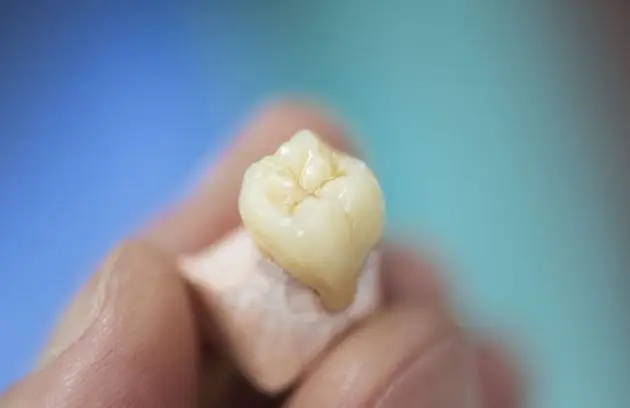
Why Dental Crowns Are Needed: What Is a Dental Crown and Why Do I Need One?
Dental crowns are used to restore parts of your mouth where it’s been difficult for people who have had accidental tooth shape damage, gum recession, or deteriorated teeth – whether due to decay or injury. This procedure enables you to chew on both sides of your mouth without discomfort and change how food tastes in the process!
A dental crown does not just cover your tooth – it serves as an artificial substitute for one! In many cases where abrasion or decay has compromised your natural teeth and cannot be saved, a dental crown can offer you protection while restoring chewable surfaces.
Dental crowns are generally reserved for individuals with compromised tooth structure but may also be used to protect brittle teeth from fracturing under heavy chewing forces.
A dental crown can be used to fill in a tooth that is missing, to cover an implant that has been fitted into the jawbone for support and strength, or because the cavity is so large. The crown will protect against this sensitivity because the metal will wrap all the way around and it’ll cover what you’re not able to see on the outside of your jawline.
Dental Crowns are typically required when there is damage or loss of a tooth’s structure due from severe decay, injury, wisdom teeth removal or other types of trauma. A dental crown also helps regain stability for an already loose or broken tooth. They are a cap that covers the exposed part of a tooth, and they are usually made of porcelain with different laminates to make it look more natural. The dentist will prepare the teeth and make an impression which will be sent to a specialist lab. The lab will create the crown and send it back to the clinic for dentist placement right on top of them so they can seal and shape properly for seating in your mouth!
A crown lasts longer than a regular filling because it’s a thicker material, so wear and tear are not as significant over time.
Why should you get a dental crown?
An answer to this question may need more context, such as what type of teeth and condition they are in. A dental crown is a tooth shaped cap that covers the entire tooth to support tooth restoration while preserving the natural tooth where possible. It also helps if the person has lost a lot of bone mass in their jaw and cannot rely on natural support any longer.
A dental crown is a restorative treatment for a damaged tooth, including a cracked tooth, extensive decay, or when a large dental filling leaves too little remaining tooth structure to protect properly. You may also need a dental crown after root canal treatment to prevent further damage or further decay.
A dental crown can also give you peace of mind in knowing that if something bad were to happen to their tooth (painful and annoying), they know they are protected with a stronger material.
There are many reasons why it is better to get a crown than any other treatment. The most important reason is that they are strong like bridges! Unlike fillings which only touch the outer layer of the tooth and cannot withstand so much force when chewing food or biting down on something hard such as an apple, a dental crown covers the whole tooth, so you don’t have to worry about eating something crunchy ever again! If you have a missing tooth, a crown may also be placed on a dental implant.
How is the dental crown procedure done after root canal treatment?
A dental crown is a process used for various reasons, including restoring and strengthening teeth, protecting tooth roots, or protecting the tooth from further deterioration. The first step in this procedure is the first visit, where the tooth is reshaped into a prepared tooth and impressions are taken to create a custom dental crown with a precise fit. This custom crown is designed to sit securely over your natural tooth structure and protect areas weakened by damage or decay. Once you’ve selected the needed type of material for fabrication, the details are used to produce a final restoration.
Normally, dental crowns are created on an individual basis to match your unique shape and shade requirements before they are permanently affixed to your existing tooth structure. Digital impressions may be taken and sent from the dentist’s office to a dental lab or dental laboratory, where dental technicians make the restoration. A new crown can also be tailored in colour, texture, and contour to blend with the surrounding teeth and fit comfortably beside neighboring teeth.
The process takes two appointments with your dentist. During the first visit, the tooth is prepared, checked, and measured, and a temporary crown is placed while the custom crown is being made. This usually takes two to three weeks. At the second visit, the permanent crown is tried in, the fit is checked, and the dental crown fitted before it is permanently cemented. There’s no discomfort or pain involved.
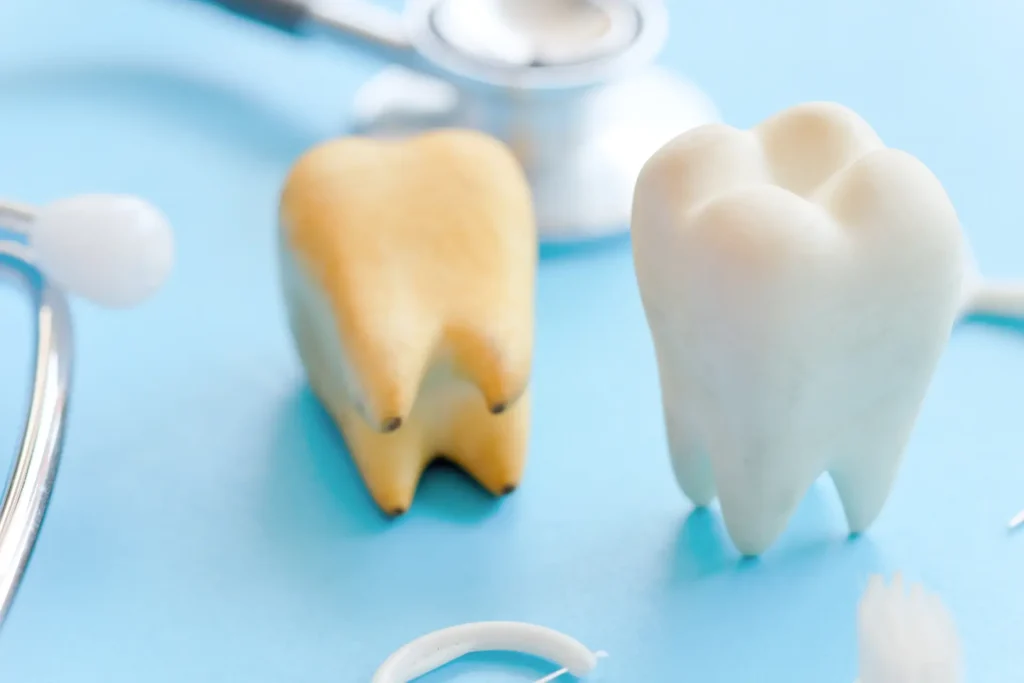
What to expect after having a dental crown fitted?
There might be a little discomfort on the gums because of the pressure created by the crown. To help with this, it’s recommended to swish cold water around in your mouth and spit it out for a few minutes after eating. It’s important to keep a dry environment in your mouth; if not, food will stick to the saliva-coated teeth. This condition leads to tooth decay as well as gum problems that need professional intervention. A crown that is permanently cemented also helps seal the tooth, blocking plaque and bacteria from getting into the inner structure.
There’s an adjustment period always in placing a dental crown because it will feel like something is sitting on your tooth while it starts healing – most people are used to the new feeling by about three months after their procedure, if not sooner. After the process is complete, remember that there are things you can do at home after having a particular type of work done that will assist in healing and recovery, and short-term dental care may include using antibacterial mouthwash if advised.
On the day of the dental appointment, make sure you eat and usually drink so that your mouth is not too dry. You may feel some sensitivity to hot or cold for a couple of days afterwards, but once the permanent crown is in place it helps shield exposed areas and reduce sensitivity to hot, cold, sugary, or acidic foods. If you experience any pain or difficulty with chewing, please call us immediately; once the bite is adjusted, the crown should support comfortable biting, chewing, and speaking. We’re here to help!
What are the benefits of getting a dental crown?
The purpose of a crown is to help safeguard the tooth from fracture due to decay or trauma. Crowns can also protect weakened teeth after root canal treatment and help prevent further damage. Crowns can restore the appearance of your teeth, add strength, and protect your weak point – partials may be used if you only need a certain size because you don’t have any natural teeth left in that area.
Crowns are put on top of your own healthy tooth. It’s more expensive than other fillings, but it’s better for you (and well worth the cost). Depending on the crown type and clinical needs, they may be used on front and back teeth.
The benefits of getting a dental crown include restoration of function, aesthetics, and durability. A dental crown can be used to restore broken or worn teeth back to their original appearance. Metal crowns are made from materials such as gold, palladium, nickel, and chromium; they are often suited to out of sight molars because metal crowns rarely chip and stand up well to biting and chewing forces. Porcelain fused to metal offers the strength of metal with a tooth-coloured finish, though it may chip over time and can affect opposing teeth differently. All ceramic crowns and porcelain crowns are chosen for their natural enamel-like look and can be a good option for patients with metal allergies.
Getting a dental crown has many benefits. One of the best is that it protects and strengthens teeth that are prone to splitting and breaking due to decay, erosion, or trauma. This also helps prevent tooth sensitivity, gum irritation, jaw pain when chewing strenuously like hot or hard candy or ice cubes) Besides, a dental crown can also be used as a final cosmetic touch-up for people who have a missing tooth because there’s space in the gum where no other teeth grow, including as an anchor for a bridge or the visible tooth on a dental implant. With proper care and maintenance, including regular dental examinations and cleanings, a dental crown can last up to 15 years.
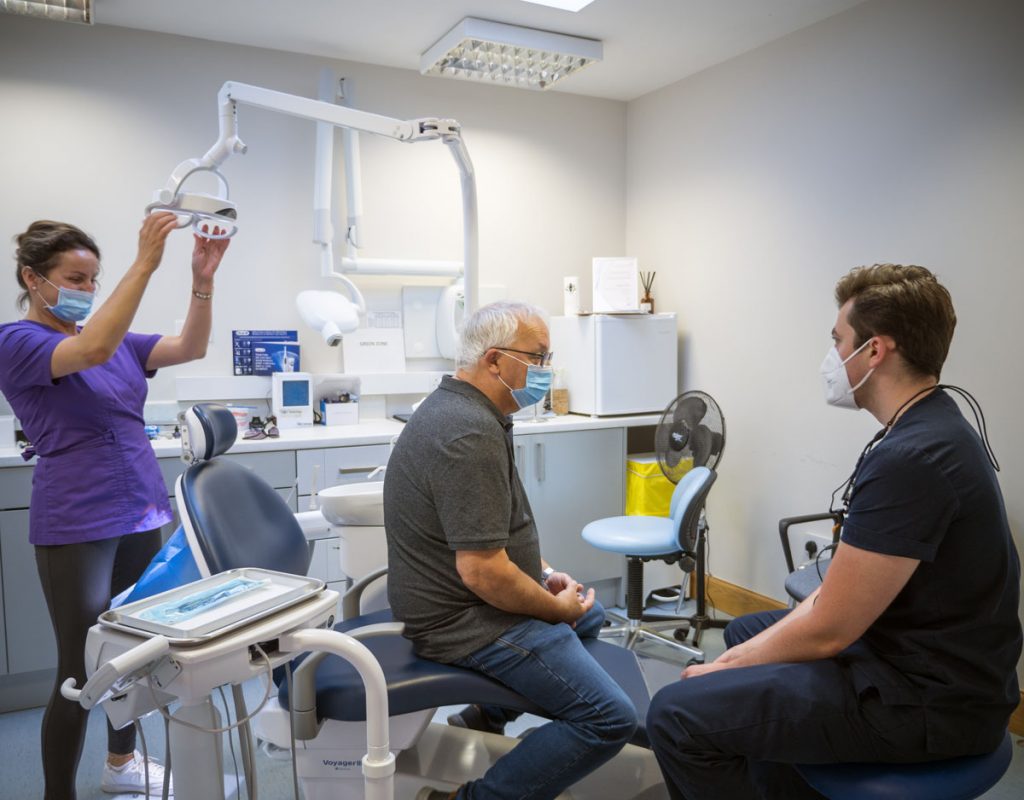
Where can I find an affordable dentist in my area for crowns cost and this service?
College Gate Dental Clinic is the perfect solution if you live in Dublin 9, as they offer a wide range of options and the best professionals in dentistry. So don’t hesitate and call 01 490 4656 or book online. As a practical guide, crowns cost €850.00 to €1,200.00 per tooth locally, depending on the crown type and the complexity of the work involved. In the United States, how much do crowns cost is often higher, with fees commonly ranging from $800 to $1700 or more depending on the material used. Before booking, check whether your insurance covers part of this treatment option.
If you’ve been considering a dental crown, this post should have answered all of your questions. From anatomy to benefits and everything in between, we hope that the information provided will help guide you towards better decision-making about maintaining or improving your oral health care routine. We welcome any comments below from our readers who want more clarification on anything they read here or if they have any other questions!