How Often Should You Go to the Dentist: What Are the Signs That You Need to Go?
There are many potential reasons for tooth pain, and it’s important to visit the dentist to determine what might be bothering your mouth.
The most common issues are cavities (tooth decay), abscesses (a collection of pus), gingivitis (inflammation that can lead to gum disease and tooth loss) or oral cancer. Visit the dentist any time you see unusual changes such as redness, swelling, bleeding. Other signs include changing levels of discomfort in teeth, trauma, and trouble chewing food due to sensitivity around the area where the pain is felt.
It is important to go to your dentist for check-ups because it can help prevent these issues. Here are some signs that you should see your dentist and hygienist in order to take care of cavities, plaque buildup, and periodontal diseases before they get worse.
- Sensitivity to hot or cold temperatures in teeth or gums.
- Tooth decay, such as cavities and gum disease.
- Cracked teeth and broken crowns.
- Difficulty chewing food because of dental issues.
- An overall change in oral health.
Why should I have regular dental checkups more than once a year?
Bacteria in your mouth can cause gum disease, cavities and affect your oral health in other ways. For most people, the answer to how often should you go is based on your individual risk, not a one-size-fits-all schedule. Low-risk adults usually need routine dental visits every 6 to 12 months, while patients at higher risk may need more frequent visits every 3 to 4 months. Exceptional oral hygiene and very low risk may mean a check up every 12 months is enough, while other health conditions can mean regular visits should be closer together. The CDC advises at least one visit a year, but many patients are still told to see a dentist and visit the dentist regularly twice yearly for ongoing dental care.
Dental professionals recommend a schedule based on your needs. These routine dental appointments support preventive care and early detection, helping catch dental problems before they become serious problems or require more invasive treatment options. During an exam, your dentist checks each tooth, inspects the gums for signs of disease, and may take a dental x ray or dental x when needed. Regular check-ups help if your dentist finds early tooth decay, gum issues, or signs of oral cancer, and your next appointment or follow up appointment should be based on findings from your last visit and current risk.
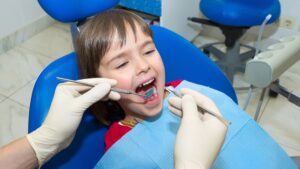
How often should kids go to the dentist?
Kids should see a dentist when the first tooth appears or by their first birthday, then continue with regular check-ups every six months; during a visit, a teeth cleaning may be done by a dental hygienist to remove plaque that brushing alone cannot fully clear once it hardens.
Fissure sealants are used to coat the chewing surfaces of children’s molars (the top four teeth in the back) at about age 6. It helps provide a protective barrier against dental decay.
A sealant is a lumpy plastic material that is put on top of permanent teeth to keep them from decaying and cavities from forming within the tooth cavity, caused by infection, physical trauma or external wear and tear – for example, an irregularly fitting tongue depressor which could damage the enamel surface or sticking food particles into holes between your crowns. Sealants can protect for 2–6 years before they must be replaced.
As preventive measures, parents should consider safeguarding their child’s teeth also with fluoride. Parents should also make sure children floss daily as part of good oral hygiene and preventive care at home. Dental health habits need to be instilled at an early age because it will help establish lifelong good oral care. Children need routine dental visits every six months starting from their first tooth or first birthday, and age can affect how often some patients, especially children and seniors, need to be seen.
It’s important that parents set clear limits with their children about overexposure to sugary foods and drinks like soda, juice, candy, ices, etc., as these types of foods are known culprits when it comes to eating sugar regularly throughout the day.
What can happen if you don't take care of your teeth or neglect them for too long?
Bad teeth can lead to infection, bone loss, gum disease, and tooth loss, and small untreated problems can become more serious and costly over time. If this is a new problem for you, there are many ways we’ll discuss how you can get your teeth back in shape.
As always, with dental hygiene, prevention is better than cure! By taking good care of your teeth, you will not only save time and money today but also protect your overall health and avoid the unpleasantness of having to go through any dental treatment tomorrow. Brush after every meal (especially dessert) with fluoride toothpaste, rinse with water, use mouthwash after brushing if desired, and floss at least once a day, as sugary foods, alcohol, and tobacco can speed up plaque and tartar buildup, while tobacco also increases the risk of severe gum disease and slows healing. Diabetes, heart disease, and similar conditions are linked to oral infections and may mean developing dental diseases more easily, increasing the risk of dental diseases.
Tips on how to maintain your oral hygiene in between visits with your doctor
It’s important to take care of your teeth and gums when they’re healthy so that they stay like that. Brush at least twice a day with a soft-bristled toothbrush (no more than 6 minutes in total), avoid sugary foods that stick to your teeth, look after your tongue during brushing and floss once a day. Have regular dental check-ups and treatments as advised by the dentist, and don’t smoke.
Clean mouthwash is an effective way to clean any buildup of plaque or food particles from between teeth after eating anything other than pureed foods.
What is a dental emergency?
A dental emergency is a very common type of emergency in general, and it can include anything from an infection in the mouth to a fractured tooth. Between 9% and 20% of patients avoid dental visits because of fear or anxiety. Seek immediate treatment if you experience any of these symptoms: swelling, redness or pus on the gums, difficulty opening your mouth due to tooth pain, severe jaw/toothache or waking up unable to fully open your mouth. If you have dental anxiety, tell the dental clinic about your concerns and ask about relaxation techniques or sedation options.
You need to go to the dentist. Twice a year, in fact! Why? Well, your oral health is important for so many reasons. If you have severe pain, swelling, bleeding, or a knocked-out tooth, contact the dentist immediately for emergency dental care or emergency treatment instead of waiting for other appointments. Just two of those are tooth decay and gum disease, which can lead to more serious issues like heart problems or diabetes if left untreated. Plus, you may not know this but neglecting your teeth will cause them to recede over time due to bone loss from lack of use – that’s why people who have worn dentures their whole lives often don’t have much jawbone left on either side! Have you given any thought to how often you should visit the dentist? Let us know in the comments below!