
Scaling and root planing is a deep dental cleaning procedure designed to treat gum disease before it leads to serious damage. Here is everything you need to know about what the treatment involves, who needs it, and what to expect at our Glasnevin clinic.
Scaling and Root Planing: The Quick Answer
Scaling and root planing-often simply called deep cleaning-is a nonsurgical treatment for gum disease carried out at College Gate Dental Clinic in Glasnevin, Dublin. During scaling, your dental professional removes plaque and tartar from tooth surfaces both above and below the gum line. Root planing then smooths the root surfaces so gums reattach and heal properly.
This treatment is recommended when regular dental cleanings do not address the deep cleaning required for active periodontal disease. It helps stop infection, reduce bleeding gums and swelling, and protect against bone loss and tooth loss. The process is performed under local anaesthesia to ensure comfort, typically takes one to two hours to complete, and most patients return to normal activities the same day. The procedure is often the first line of treatment for gum disease, and catching the problem early is far easier, more comfortable, and more affordable than dealing with advanced gum disease later.
What Are Scaling and Root Planing? (Deep Cleaning Explained)
Scaling and root planing are specialist hygiene treatments designed to treat active periodontal disease-not just remove surface stains. Regular brushing and flossing cannot remove hardened plaque (calculus) once it forms, so a dentist or hygienist must intervene.
Tooth scaling involves removing plaque and calculus from tooth surfaces both above and below the gum line. Your dental hygienist uses ultrasonic instruments and hand scalers to clear deposits that have built up in periodontal pockets.
Root planing carefully smooths the tooth roots, removing infected tooth structure and bacterial toxins embedded in the root. Root planing smooths tooth roots to prevent bacteria re-adhering, which allows inflamed gum tissue to heal. The treatment helps the tissue heal and reattach to teeth over the following weeks.
Unlike a standard scale and polish, which focuses on visible surfaces, a deep cleaning procedure targets periodontal pockets and root surfaces where disease is active. Regular dental cleanings do not address the deeper deposits driving gum disease.
You may see this therapy described as periodontal scaling, root planing treatment, root planing scaling, or simply the root planing procedure on treatment plans or insurance documents-they all refer to the same approach. You may also see the term root planing used interchangeably online, though the correct spelling is root planing. This nonsurgical treatment is accepted worldwide as the first-line therapy for mild to moderate chronic periodontitis.
Gum Disease and Bone Loss: Why Deep Cleaning Is Needed
Periodontal disease is extremely common among Irish adults, often painless in the early stages, and strongly linked with both tooth loss and overall health complications. Left untreated, a mild gum disease called gingivitis can quietly progress into something far more destructive.
Stages of gum disease:
Gingivitis – plaque along the gum line causes redness, swelling, and bleeding. Gingivitis is the early stage of periodontal disease, and no bone loss has occurred yet.
Early periodontitis – plaque and tartar extend below the gum line, periodontal pockets deepen, and early bone loss begins. Periodontitis occurs when gingivitis is left untreated. Bone loss marks the transition from gingivitis to periodontitis.
Moderate to advanced periodontitis – deeper pockets, significant bone loss, gum recession, and loose or drifting teeth.
A periodontal pocket is the gap between tooth and gum that exceeds roughly 3 mm-too deep for toothbrush bristles or floss to reach effectively. Periodontal pockets can exceed 5 mm in depth in moderate to severe cases, which often signals the need for scaling and root planing.
Once chronic inflammation from bacteria destroys the supporting tissue and bone around a tooth, that bone cannot grow back on its own. Evidence also links periodontal inflammation with conditions such as diabetes, heart disease, and adverse pregnancy outcomes, reinforcing how closely oral health and overall health are connected.
At College Gate Dental Clinic, we routinely screen for gum disease at check-ups using periodontal probing and digital X-rays so problems are caught before they become painful or expensive.
Who Needs Root Planing and Scaling?
Not every patient needs deep cleaning. It is prescribed based on specific clinical findings, not as a routine measure.
Common signs and symptoms:
Bleeding gums when brushing, flossing, or biting into food
Red, swollen gums that feel tender to the touch
Persistent bad breath or a bad taste in the mouth
Gum recession or teeth appearing longer
Teeth feeling slightly loose or shifting position
Clinical criteria your dentist uses:
Pocket depth measurements above 4 mm with a periodontal probe
Tartar deposits visible below the gum line
Bone loss or calculus confirmed on digital X-rays
Scaling and root planing is often necessary for advanced gum disease, but higher-risk groups-smokers, people with poorly controlled diabetes, pregnant patients, and those with a family history of disease-may need it sooner. Left unchecked, bacteria behave like malicious bots, quietly multiplying and eroding supporting tissue before you notice symptoms.
At College Gate Dental Clinic, the decision is always explained clearly. We show patients pocket charts and X-rays so you understand exactly why deep cleaning is recommended. If gum disease is still at the gingivitis stage, enhanced home care plus a routine professional cleaning may be enough-your dentist will always choose the least invasive effective option.
How the Root Planing and Scaling Procedure Works
Here is a step-by-step look at what happens before, during, and immediately after a deep cleaning appointment at our Glasnevin clinic.
Assessment phase:
Think of your initial periodontal assessment as performing security verification on your mouth’s defences. Full periodontal charting measures pocket depth at six sites around every tooth. Your dentist will respond with a detailed plan; ray ID imaging (digital X-rays) reveals hidden calculus and bone changes invisible to the naked eye. Your medical history-including blood thinners, diabetes, and heart conditions-is reviewed before any instruments are picked up.
Local anaesthetic and comfort:
The dentist or hygienist numbs the treatment area with local anaesthesia so you feel pressure and vibration but not pain. Patients who feel anxious can request extra time or breaks; our team is experienced in providing pain-free dental appointments.
Scaling step:
Ultrasonic scalers use sonic vibrations to remove plaque and break up tartar, combined with water irrigation to flush debris from pockets. An ultrasonic scaler works as an ultrasonic device that loosens heavy deposits quickly. Hand scalers and curettes are then used for fine-tuning; hand scalers require more force than ultrasonic instruments, so they are reserved for detail work in difficult-access sites. The dentist removes calculus from every affected surface methodically.
Root planing step:
The clinician gently smooths root surfaces so gum tissue can heal and gums reattach. Root planing can remove some cementum from tooth surfaces during this process, which is normal and necessary. Root planing smooths tooth roots to prevent bacteria re-adhesion. Where appropriate, antibiotics or antiseptic rinses may be given to prevent infection in deeper pockets.
Logistics:
Scaling and root planing typically takes 1-2 hours to complete per session. Treatment is often carried out in more than one visit-commonly two sessions of about 60–90 minutes, treating one half of the mouth and then the other half at the next appointment. Some straightforward cases can be completed in one appointment. The number of visits depends on disease severity and patient comfort, and this is agreed in advance as part of a clear treatment plan and cost estimate. Dental lasers may promote healing after scaling and root planing and may be used where clinically appropriate.
Is Deep Cleaning Painful? Anaesthesia, Comfort and Potential Risks
Many patients in Dublin delay gum treatment because they worry about discomfort. Modern techniques make the experience far more comfortable than most people expect.
Comfort measures:
Local anaesthetic injections numb gums and teeth in the treated area
Treatment can be broken into shorter sessions for nervous patients
Gentle techniques and constant communication throughout
Typical sensations:
You will feel pressure and vibration from ultrasonic instruments, along with occasional scraping sounds. Scaling and root planing can cause temporary gum tenderness in the days afterwards.
Common, short-lived side effects:
Gums may swell and bleed for a few days post-procedure
Patients may experience bleeding gums after the procedure, especially during brushing
Temporary side effects include tooth sensitivity and gum bleeding
Scaling and root planing may lead to tooth sensitivity to hot, cold, or sweet foods
Teeth may feel sensitive for up to a week after treatment
Potential risks (less common):
Prolonged bleeding in patients on blood thinners, which is assessed beforehand
Increased sensitivity if significant root surfaces become exposed
Infection risk exists if proper post-care is not followed
Minor root surface changes from instrumentation, though our clinicians work conservatively following evidence-based guidelines
Contact the clinic urgently if you experience severe or worsening pain, heavy bleeding that does not slow, increasing swelling, pus, or fever.
Recovery, Aftercare and Maintaining Periodontal Health
Most people return to work or normal routines immediately after root planing and scaling, but good aftercare is vital for proper healing. Healthy gum tissue acts as a security service, sealing bacteria away from bone and bloodstream-your job is to support that barrier as it rebuilds.
Immediate post-procedure advice:
Avoid very hot, very cold, hard, or spicy foods for the first 24–48 hours
Pain medication may be prescribed to manage discomfort post-treatment; over-the-counter ibuprofen or paracetamol often suffices
Use prescribed antimicrobial mouth rinse as directed to help prevent infection and support healing
Home oral hygiene during healing:
Gentle but thorough brushing twice daily with a soft toothbrush; regular brushing keeps new plaque from forming
Daily flossing or interdental brushing once your dentist advises it is safe, typically from the next day onwards
Avoid smoking-it significantly delays healing and worsens disease
Aftercare typically includes follow-up visits and proper oral hygiene. Follow-up visits are necessary to check gum health after treatment, usually scheduled 4–6 weeks after the deep cleaning procedure is complete. At that appointment, pocket depths are re-measured to confirm improvement. Once pocket measurements confirm that successful outcomes have been achieved, you transition to a maintenance schedule. If any areas still need attention, your dentist may recommend further treatment or referral to a periodontist.
Long-term maintenance for periodontal health:
Periodontal maintenance visits every 3–4 months for patients with a history of chronic periodontitis
Six-monthly visits for low-risk patients
Maintenance cleanings help prevent recurrent infection and further bone loss
Ongoing care supports fresher breath, more comfortable gums, and better overall health. The long-term success of your treatment depends largely on consistent home care and keeping your maintenance appointments.
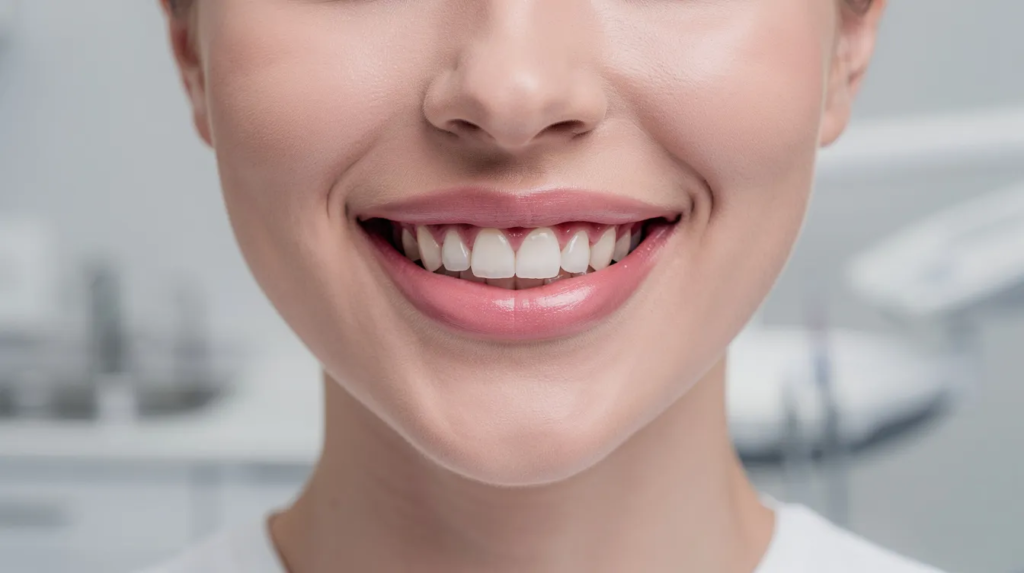
Benefits of Root Planing and Scaling for Your Teeth and Overall Health
Deep cleaning is an investment in keeping your gums healthy and saving your natural teeth, helping you avoid more invasive treatment down the line.
Key oral benefits:
Halts or significantly slows the progression of periodontal disease
Reduces gum inflammation, bleeding, and tenderness
Lowers the bacterial load in periodontal pockets, helping pockets shrink-studies show average pocket depth reductions of 1–2 mm within three months at sites initially ≥ 4 mm.
Reduces risk of tooth loosening and eventual tooth loss
Protection against bone loss:
By removing plaque and tartar and calming inflammation, this periodontal scaling procedure helps preserve the remaining supporting bone around teeth.
Quality-of-life improvements:
Fresher breath and reduced bad taste caused by gum infection
More comfortable chewing without worry about gums bleeding
Improved confidence when gums become healthier and less swollen
Connection to overall health:
Research indicates that controlling periodontal inflammation may help stabilise blood sugar in diabetic patients and reduce systemic inflammatory burden. While deep cleaning is not a cure for systemic conditions, it supports better health as part of comprehensive medical and dental care.
At College Gate Dental Clinic, our team works with every patient to create realistic home-care routines and recall schedules so these benefits are maintained long-term.
Costs, Accessibility and Deep Cleaning at College Gate Dental Clinic
Cost is a common concern, but delaying gum treatment almost always leads to more complex and expensive care later-including potential need for surgery or dental implants.
Typical cost structure:
Pricing depends on how many quadrants of the mouth require root planing and scaling and the severity of disease
A full breakdown is provided before treatment begins-check our dental fees guide for transparency
Some private dental insurance plans partially cover periodontal scaling; our reception team can help with receipts and claim codes
College Gate Dental Clinic accessibility:
Located in Glasnevin with free on-site parking and easy access from surrounding North Dublin areas
Evening and weekend appointments to fit around work and family schedules
Affordable payment plans and no-deposit options so you can spread the cost of deep cleaning and any additional periodontal care
Multidisciplinary support:
You have access to general dentists, a dedicated hygienist, and-where needed-periodontal or oral surgery expertise within the same clinic. If advanced treatment is ever required, you won’t need to travel elsewhere.
If you have noticed bleeding gums, persistent bad breath, gum recession, or teeth that feel loose, book a periodontal assessment with College Gate Dental Clinic. Early detection of your gum health today can save you significant time, discomfort, and cost in the future. Contact us to discuss whether root planing and scaling is right for you.