If you’re facing a tooth extraction and want to know exactly what you’ll pay before stepping into the dental chair, you’re in the right place. The cost of a tooth removal varies based on the type of extraction, the tooth involved, and whether you need sedation – and prices across Dublin clinics can differ significantly. This guide breaks down real price ranges, explains what drives costs up or down, and covers everything from wisdom teeth to aftercare so you can plan with confidence.
Quick Guide: How Much Does It Cost to Have a Tooth Removed in Dublin?
Here’s a straightforward look at what private clinics across Dublin typically charge for tooth removal in 2026:
Simple extraction: from around €80–€150 per tooth (simple tooth extractions cost around €150 in Dublin on average)
Surgical extraction (broken, impacted, or complex teeth): from around €150–€300 per tooth
Complex wisdom tooth removal with a specialist oral surgeon: up to €350–€500+ per tooth
IV sedation fees: charged separately, typically from €350–€450 per session (not per tooth)
The cost of a tooth removal varies based on the type of extraction – a straightforward upper incisor is a different proposition to a deeply impacted lower wisdom tooth.
At College Gate Dental Clinic, our extractions are competitively priced for Glasnevin and North Dublin. We always confirm exact costs in advance after your examination and X-rays, so there are no surprises.
Worth noting: health insurance or tax relief via the Med 2 form may offset some costs for surgical or specialist oral and maxillofacial surgery – but check with your insurer first.
What Affects the Cost of Tooth Removal?
Extraction fees vary because every tooth, mouth, and clinical situation is different. Factors influencing extraction costs include procedure complexity and tooth location, and costs vary by region and type of dental practice. Here are the main cost drivers:
Simple extraction vs surgical extraction – a visible tooth loosened with forceps costs far less than one requiring gum incision and bone removal
Root anatomy – curved roots, multiple roots, or teeth with previous root canal treatment take longer and demand more skill.
Tooth position – a front tooth is generally easier than a molar; wisdom teeth are the most complex.
Clinician type – treatment by a general dentist costs less than referral to a specialist oral surgeon or maxillofacial surgery unit.
Anaesthetic and sedation choice – local anaesthetic is standard; intravenous sedation adds high cost
Appointment timing – emergency or evening/weekend slots may carry a premium
Recurring infections can necessitate tooth extraction, sometimes urgently, which affects scheduling and cost.
Teeth may need extraction to prevent overcrowding in the mouth, particularly before orthodontic treatment.
Pre-operative diagnostics – small X-rays, panoramic OPG, or CBCT scans – add a modest cost but are essential for safe planning. A national survey of Irish dental practices found the mean price for routine extractions was approximately €100, while surgical extractions averaged around €173.
Simple vs Surgical Extraction: Price Ranges & Examples
Understanding the clinical difference between a simple extraction and a surgical one is the single biggest factor in predicting your cost.
Simple extraction:
The tooth is visible above the gum and not heavily broken
Usually loosened with forceps under local anaesthesia
Simple extractions typically take 10–20 minutes to complete
Simple extractions remove visible teeth using dental instruments
Typical Dublin range: €80–€150 per tooth (simple extractions typically cost between €90 to €300 across Ireland)
Surgical extraction:
The tooth is broken at gum level, has curved roots, is impacted, or a previous extraction attempt has failed
Surgical extractions involve gum incision and bone removal, and may require dissolvable stitches
Surgical extractions can take 30–60 minutes depending on complexity
Typical Dublin range: €150–€300 per tooth (surgical extractions typically cost between €200 to €600+ for advanced cases)
Tooth extraction is necessary for severely broken-down teeth that cannot be restored
Example scenario: A badly decayed upper premolar with its crown still intact is usually a simple extraction – perhaps €120–€150. The same tooth badly broken with only root remnants left below the gum line? That often becomes a surgical removal requiring a flap, bone removal, and stitches – pushing the fee to €200–€300+.
At College Gate Dental Clinic, your dentist will explain clearly whether your tooth is likely to be classified as simple or surgical before treatment begins – and the cost difference involved.
Wisdom Tooth Removal Cost in Dublin
Wisdom teeth are the most common reason patients research tooth removal cost online – and for good reason. Wisdom tooth removal generally costs more than standard extractions due to complexity. Most adults have four wisdom teeth, one in each corner of the mouth, and these third molars typically emerge in the late teens or early twenties.
Wisdom teeth often require removal due to impaction, and impacted teeth can lead to pain and infection that demands prompt treatment. Here’s the price spectrum for wisdom tooth removal in Dublin:
Fully erupted wisdom tooth (non-surgical removal): from approximately €150–€200
Partially impacted lower wisdom tooth requiring sectioning: commonly €200–€350 per tooth
Deeply impacted or complex cases near the nerve: €400–€500+ per tooth, particularly when a specialist oral surgeon is involved
Wisdom tooth removal costs €250 to €500 per tooth depending on impaction level.
Removing multiple teeth in one visit can be more cost-efficient – surgical time and sedation costs are shared across teeth rather than duplicated.
Typical extra costs around wisdom teeth include:
A specialist consultation for wisdom tooth removal, often around €150
OPG or CBCT imaging
IV sedation fees if chosen
Follow-up appointments (usually included at College Gate Dental Clinic)
Our oral surgery team in Glasnevin will outline all pricing clearly for single or multiple wisdom tooth removal before you commit.
Local Anaesthetic, IV Sedation & How They Change the Price
The way your mouth is numbed or sedated can significantly influence overall tooth removal cost. Anaesthesia can impact the overall cost of a tooth extraction, so it’s worth understanding your options.
Local anaesthetic:
Standard numbing injection used for most simple extractions
Usually included in the extraction fee at no extra charge
You stay fully awake but pain-free – most patients experience only mild discomfort from the injection itself
Temporary numbness typically lasts one to three hours after the procedure
IV sedation (intravenous sedation):
Medication delivered via a vein to deeply relax you while the oral surgeon or dentist works
Ideal for very anxious patients, multiple teeth being removed, or complex wisdom tooth surgery
IV sedation for wisdom tooth removal starts at €395 in most Dublin practices, charged per session rather than per tooth
Doing several extractions under one IV sedation session is more cost-efficient
Other options: Some clinics offer nitrous oxide (laughing gas) or oral sedation tablets, though not all practices provide every form.
At College Gate Dental Clinic, we discuss all anaesthetic and sedation options during your consultation. We explain how each choice affects cost and recovery, and safety screening plus pre-op instructions are included in the sedation fee. If dental anxiety is a concern, our pain-free dental appointments approach is designed to make the experience as pleasant as possible – a genuinely pleasant experience rather than something to dread.
Consultation, X-Rays & Additional Diagnostic Costs
Accurate pricing relies on a proper assessment. Consultation and X-rays add to the total cost of tooth extraction, but they’re non-negotiable for safe planning.
A typical pre-extraction work-up includes:
Dental examination – your dentist determines whether the tooth can be saved with fillings or root canal treatment instead of being extracted
Periapical or bitewing x rays for individual teeth (around €15–€50)
OPG panoramic x-ray when multiple teeth or wisdom teeth are involved (around €50–€85)
CBCT 3D scan occasionally recommended for high-risk lower wisdom teeth near the nerve (€100–€200 including report)
Indicative Dublin ranges: an examination and small x-ray bundle typically runs from around €50–€90, with panoramic imaging as an additional cost. A check-up and initial assessment is the essential first step.
At College Gate Dental Clinic, we provide transparent, written estimates after your examination. We clearly separate consultation, imaging, extraction, and sedation fees – and we’ll discuss whether any costs may be offset by health insurance or tax relief.
Tooth Removal vs Saving the Tooth: Cost Comparison
Patients often ask whether it’s cheaper to have a tooth extracted or to save it. The short answer: extraction has the lowest immediate fee, but the lifetime cost of replacing missing teeth can eventually exceed the price of saving the original tooth.
Here’s how the numbers typically compare in Dublin private practice:
Extraction + partial denture: lower upfront cost, but dentures need periodic replacement
Root canal treatment + crown: higher upfront cost (a root canal on a molar plus a dental crown can run €800–€1,500+), but preserves your natural tooth
Leaving a gap: no immediate replacement cost, but shifting teeth and bite issues often create the need for orthodontic treatment, braces, or restorative work later
Bridge or dental implant to replace a missing tooth: dental implants or bridges are significant investments, but offer long-term function
A cracked tooth or one causing pain doesn’t always need extraction – sometimes a temporary filling followed by a crown can buy years of service. We recommend patients discuss the prognosis, long-term function, and aesthetics with our team. If a tooth can be saved, we’ll explain the treatment options and available payment plans for more complex restorative work.

NHS / HSE, Insurance & Tax Relief: What Help Is Available with Costs?
Irish patients familiar with the UK’s NHS system may be used to banded charges – NHS wisdom tooth removal costs £76.60 for Band 2 treatment, for example. Ireland’s system works differently.
College Gate Dental Clinic operates as a private practice in Glasnevin. Our fees are set per treatment, not by band. Here are the key Irish financial supports that may apply:
Tax relief via Med 2: Certain non-routine dental treatments – including surgical extractions, implants, and root canal treatment – qualify for 20% tax relief through the Med 2 form. Routine simple extractions typically do not qualify.
Health insurance: Policies from VHI, Irish Life Health, Laya, and others sometimes contribute towards oral surgery, particularly when performed by a specialist oral surgeon. Dental insurance may cover part of the cost of necessary extractions – but coverage varies widely by plan.
HSE / DTSS: Limited state-funded services exist for medical card holders, but access, waiting times, and eligibility differ significantly from private care.
We encourage patients to ask us for detailed receipts and procedure descriptions to support claims, contact their insurer for pre-authorisation when complex surgical extraction or IV sedation is likely, and keep all invoices for tax returns.
Managing the Cost: Payment Plans & Affordable Options at College Gate Dental Clinic
We’re committed to making necessary extractions and follow-on dental treatments as affordable as possible. Here’s how patients manage costs with us:
Interest-free or low-interest payment plans for larger treatment plans (e.g. multiple surgical extractions plus implants or orthodontics)
Staged payments spread across visits – a “smile now, pay later” approach
No-deposit options where applicable for approved plans
Combining treatments in the same appointment (e.g. two or more teeth extracted under one sedation session) to use clinical time efficiently
Our transparent pricing discussions always cover immediate extraction costs, potential future treatments like implants, bridges, or dentures, and how to prioritise urgent pain relief while planning more advanced work around your budget.
Follow-up appointments and medications can incur additional expenses after extraction – we factor these into our estimates so the figure you’re given reflects the real total, not just the procedure alone. We support patients with dental anxiety by clearly outlining cost, clinical steps, and timelines to avoid financial surprises.
Clinical Factors Linked to Cost: Dry Socket, Infection Risk & Complexity
Some clinical risks are more common with certain extractions and can influence both planning and cost.
Dry socket:
More frequent after lower molar and wisdom tooth extractions
Occurs when the blood clot in the healing socket is dislodged or fails to form properly
Causes severe pain and may require additional visits and dressings
You can reduce the risk: avoid smoking, skip hot drinks for the first 24 hours, and follow aftercare instructions carefully
Other complexity factors:
Proximity to nerves or sinuses, especially with lower wisdom teeth and upper molars – this can cause temporary numbness if a nerve is disturbed
Existing infection or abscess that may necessitate antibiotics before or after the procedure
Previous root canal treatment or heavily restored teeth making the surgical removal slower and more demanding – a badly broken tooth with old restorations often requires more time at the extraction site.
The socket may take several months to fill with bone after more complex extraction.s
Additional review appointments for complications are usually factored into the surgical planning at College Gate Dental Clinic. Very complex or high-risk cases may be referred to a specialist oral surgeon with appropriate imaging and a clear fee structure, often coordinated with our oral surgery and maxillofacial surgery teams.
What to Expect on the Day: From Anaesthetic to Aftercare
Understanding the process helps you see where your money goes – trained staff, sterile equipment, and clinical time all affect fees.
A typical extraction visit at College Gate Dental Clinic:
Confirmation of your treatment plan and cost before starting
Administration of local anaesthetic (and IV sedation if chosen)
The extraction itself – simple or surgical technique as planned
Placement of dissolvable stitches when needed (stitches removed at a follow-up only if non-dissolvable sutures are used)
A temporary filling may be placed if adjacent teeth need protection
Immediate aftercare advice:
Bite on gauze to protect the blood clot forming in the socket
Avoid hot drinks and alcohol for the first 24 hours
Avoid smoking to reduce dry socket risk – this is critical
Eat soft foods for the first few days
Start gentle saltwater rinses after 24 hours; maintain oral hygiene carefully around the site.e
Swelling usually peaks 48–72 hours after extraction, and pain and swelling typically begin to ease by day 3–4. Full soft tissue healing takes 4–6 weeks after extraction, while most patients return to normal activities within 1–2 weeks. Most patients recover without complications when aftercare instructions are followed closely. Our hygienist and dental team provide written aftercare instructions, pain relief guidance, and clear advice on when to call if there’s unusual swelling, bleeding, infection, or discomfort.

Booking a Tooth Removal at College Gate Dental Clinic in Glasnevin
The most accurate way to know your tooth removal cost is a personalised assessment – no online estimate can replace an examination of your specific tooth.
Practical details:
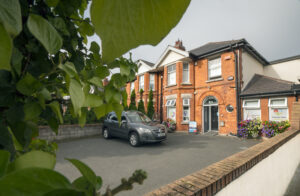
We’re located in Glasnevin, Dublin 9 – convenient for North Dublin, Finglas, Phibsborough, and surrounding areas
Contact us by phone, email, or our online enquiry form to book an appointment
We offer evening and weekend appointments, plus free parking at the clinic
We welcome both self-referrals and referrals from other dentists for routine and complex extractions
We coordinate with our in-house orthodontic, implant, and restorative teams when a tooth extraction is part of a wider treatment plan.
If you have a tooth causing pain, a cracked tooth, or a failed root canal, contact us promptly for an examination. We’ll outline your options – whether that’s attempting to save the tooth or a carefully planned extraction – with clear, upfront costs and a free consultation to get you started.
Transparent pricing, genuine patient comfort (including sedation options for the anxious), and long-term oral health are at the core of what we do at College Gate Dental Clinic. Book your consultation today and take the guesswork out of your treatment.