
A lost or broken filling can feel alarming, but knowing what to do in the first few minutes makes all the difference. Here is a practical guide covering everything from immediate first aid to long-term treatment options.
Quick answer: what to do right now if your temporary filling or tooth filling falls out
If your temporary filling or an old filling has just come out, stay calm. A lost filling is not usually life-threatening, but it does count as a dental emergency that needs prompt care within days, not weeks. Use temporary fillings for short-term protection until you can get to a dentist, and contact your dentist if a temporary filling breaks or you experience discomfort.
Immediate first-aid steps:
Gently rinse your mouth with warm water to clear debris from the hole.
Do not poke the tooth with your tongue, fingers, or tools.
Avoid very hot or cold food and drink-skip ice and steaming tea for now.
Eat on the opposite side to protect the exposed cavity.
Take over-the-counter pain relief (ibuprofen or paracetamol) if the area is painful.
A home temporary filling kit can be used safely as a brief stop-gap if you absolutely cannot visit a dentist the same or next day-but it is not a repair. Seek urgent same-day emergency care if you notice severe or throbbing pain, swelling of the face or gums, a bad taste or pus, fever, or difficulty swallowing.
At College Gate Dental Clinic in Glasnevin, we offer emergency appointments with evening and weekend availability and free parking, so a broken or lost filling never has to wait long.
What is a temporary filling and when do dentists use it?
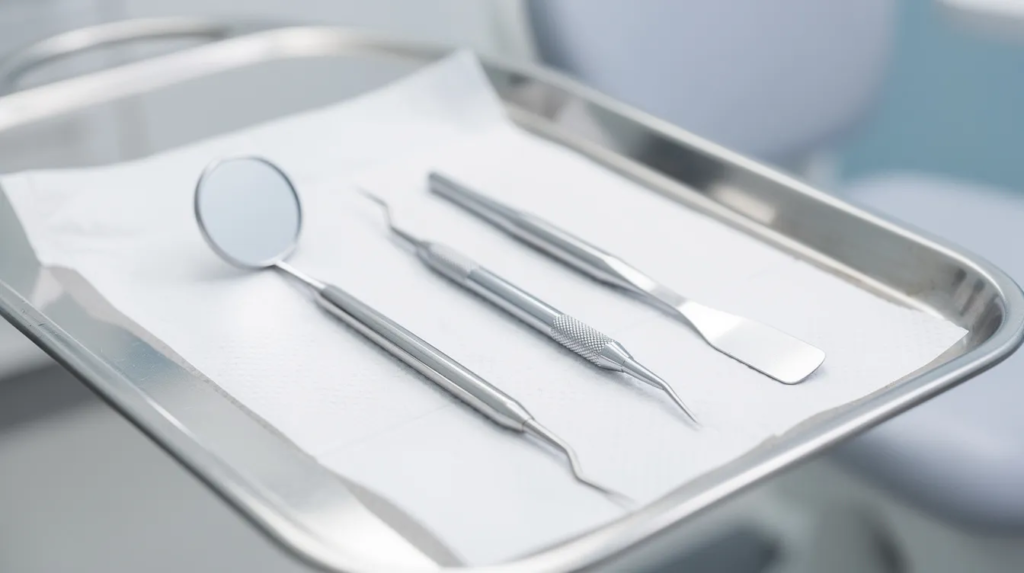
A temporary filling is a short-term tooth filling placed by a dentist to seal and protect a tooth when a more permanent filling or restoration cannot be completed that day. It acts as a protective cap over the cavity, keeping bacteria and food out while treatment continues.
Unlike a permanent filling made from composite resin or amalgam, a temporary tooth filling is designed to be softer, easier to remove, and intentionally short-lived. Many dentists use temporary filling material in the following situations:
After root canal therapy, to seal the access cavity between sessions.
When a tooth is too inflamed-temporary medicated fillings help settle sensitive nerves before further work.
While waiting for a crown, bridge, or inlay to be fabricated by the lab.
During an emergency appointment when there is not enough time for full treatment.
Common materials include zinc oxide–eugenol cements and glass ionomer cement, both safe for short-term use under dental supervision. The placement process involves numbing the area, cleaning the cavity, and pressing the filling material into shape. At College Gate Dental Clinic, temporary fillings are routinely used as part of staged treatment plans-including cosmetic and implant-related procedures.
OTC temporary filling kits vs dentist-placed temporary fillings
Both aim to protect a damaged or decayed tooth, but they are not equivalent in strength, fit, or safety. OTC temporary fillings are available without a prescription at most drugstores. Some kits come with a pre filled plastic syringe or zinc oxide putty and a small spatula for application.
What OTC kits can do:
Briefly cover a small hole where a filling fall has occurred.
Reduce sensitivity by blocking food and air from the exposed cavity.
Buy you a few days until your dental appointment.
What they cannot do:
Remove decay, diagnose a crack, adjust your bite, or fully seal out bacteria and saliva.
Most OTC temporary fillings last a few days to a couple of weeks at best.
Dentist-placed temporary fillings are tailored to the tooth shape, adjusted to the bite so there is no excess material causing pressure, and made from stronger or medicated filling material. One cosmetic drawback of OTC options: they are often bright white and not colour-matched to natural teeth, which is obvious on front tooth fil fillings. Professional restorations at College Gate Dental Clinic are shade-matched for a natural smile.
For minor, sudden losses at night or weekends, an OTC option may be used very briefly-but phone the clinic first to discuss safer options and arrange a prompt appointment.
When you should and shouldn't use a temporary tooth filling kit at home
Home kits are for very short-term emergencies only, and not everyone is a suitable candidate. Temporary fillings do not treat underlying decay or infection-they simply cover the surface.
Reasonable to consider if:
A small chunk of an old fillings piece has come out.
There is no swelling or severe pain.
No recent trauma to the face or jaw.
You already have an appointment booked within days.
Do not use-call a dentist immediately if you notice:
Swelling of the face or gums, fever, or feeling unwell.
Deep, throbbing pain that keeps you awake at night.
Visible pus or a persistent bad taste in the mouth.
Difficulty opening your mouth or swallowing.
A large fractured tooth exposing sharp edges or a dark cavity close to the nerve.
OTC material can trap bacteria, mask symptoms, and delay root canal or extraction that could save the tooth. Allergic reactions to temporary filling materials are possible but uncommon. Special groups-children, pregnant patients with uncontrolled pain, people with diabetes or reduced immunity-should avoid DIY fillings entirely and consult a dentist if they experience severe pain or swelling. College Gate Dental Clinic offers emergency slots and telephone advice to help you decide whether a home kit is appropriate or if you need to be seen same-day.
How to use and care for a temporary filling safely until your appointment
Whether you have used a home kit or had a temporary filling placed by a dentist, these steps will help you avoid problems until your next visit.
Applying an OTC tooth fil (general steps):
Dry the tooth as well as possible with clean gauze.
Use only a small amount of paste or zinc oxide putty-a pea-sized portion is sufficient material for most cavities.
Gently push the material into the hole using the spatula provided, putting light pressure to fill evenly.
Shape it so it sits level with surrounding teeth-run your tongue over the surface to check. If the tooth feels “taller,” the filling is too high and you should avoid chewing on that side and book an urgent check.
Wait for the tooth fil hardens time specified in the kit instructions before you eat.
Eating and drinking advice:
Avoid chewing hard foods, sticky toffees, chewing gum, and crusty bread on the temporary side.
Skip very hot drinks and ice-cold beverages for the first 24–48 hours.
Oral hygiene:
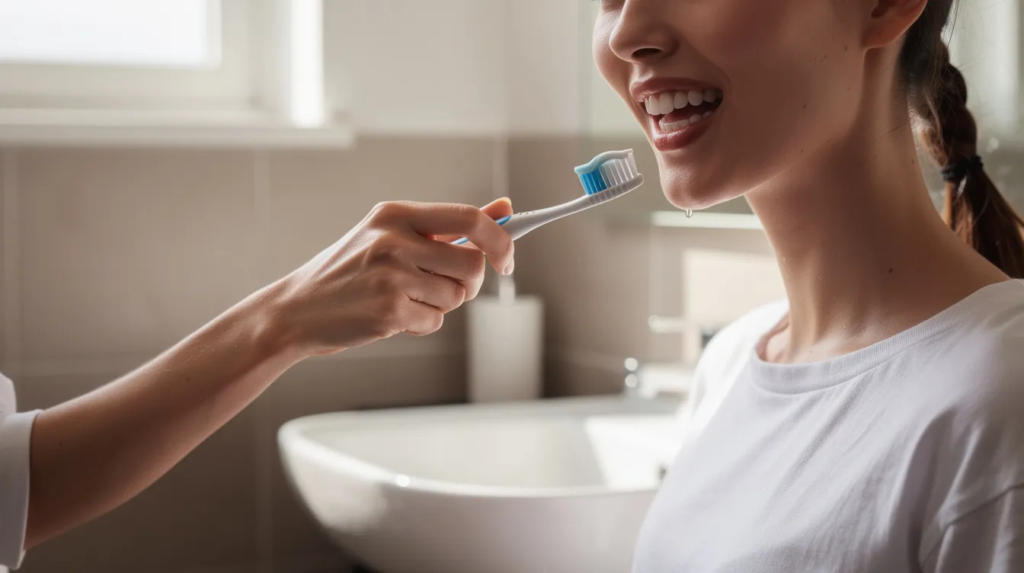
Continue gentle brushing around the area. Avoid flossing directly through the contact point if it risks falling or dislodging the material. Moisture from saliva can loosen the seal over time, so keep the area clean.
If the temporary filling falls out again, do not reuse old material. Rinse gently, avoid chewing on the area, and contact College Gate Dental Clinic promptly-repeat failures may indicate a cracked tooth or larger cavity.
Risks of relying on temporary fillings for too long
Keeping a temporary filling or DIY tooth filling in place for weeks or months can allow dental problems to worsen silently. Temporary fillings can last a few weeks to a few months depending on size and material, but they should not be used long-term as they will wear down or fall out. Temporary fillings can last a few days to a couple of weeks under normal chewing forces, and may crack and fall out if not replaced with a more permanent filling.
Decay risk: Temporary material does not bond tightly to enamel, so gaps form at the edges letting food, saliva, and bacteria underneath. Using temporary fillings can lead to further tooth decay-they do not remove decay or treat infections.
Bite and jaw problems: An over-filled or misshapen temporary tooth can alter the bite, leading to jaw ache, headaches, or extra wear. If you grind your teeth at night the risk increases.
Structural weakness: Large temporary fillings crumble under pressure, allowing pieces of tooth to break off and potentially turning a simple filling into a need for a crown or root canal.
Nerve and infection progression: Deep cavities left under a temporary seal can progress to abscess, causing severe pain, facial swelling, and the need for emergency treatment.
Routine check-ups every 6–12 months at College Gate Dental Clinic help identify worn or cracked fillings early, prevent lost fillings, and save you from emergency situations.
Treatment options at College Gate Dental Clinic after a temporary filling
Once you attend the clinic after a lost filling or temporary tooth repair, the goal is to stabilise the tooth, relieve discomfort, and provide a long-term solution. Temporary fillings can last up to 4 weeks, but the sooner you get definitive treatment, the better the outcome.
Common treatments following a temporary filling include:
Replacement composite or amalgam permanent filling once decay is removed.
Onlays or crowns for heavily broken teeth.
Root canal treatment when the nerve has been affected.
Extraction and implant planning if the tooth is beyond saving.
Your dentist will explain each option after examining the tooth visually and with X-rays, checking the bite carefully, and discussing cosmetic outcomes. We support nervous patients with pain-free appointment options, step-by-step explanations, and a calm environment for adults and children alike.
College Gate Dental Clinic in Glasnevin offers payment plans with no deposit, free parking, and evening/weekend appointments to make definitive treatment accessible. Don’t wait for a temporary fix to become a permanent problem-phone us or book on our website to protect your tooth and your smile.