Irish taxpayers can claim tax relief on many medical and health expenses, including dental treatments at College Gate Dental Clinic in Glasnevin, Dublin. Tax relief is granted at the standard rate of 20% on most expenses, while nursing home expenses qualify for relief at your highest tax rate – up to 40%. You can claim tax relief on healthcare expenses paid for yourself, your spouse, civil partner, children, or any family member, as long as you paid the bill and have receipts. Tax relief claims for health expenses are submitted through Revenue’s myAccount or ROS, and you can claim for the last four year’s health expenses. Claims for medical expenses must be made within four years, so in 2026 you can still claim back expenses from 2022 onwards. This article walks through practical steps to claim medical expenses, with dental care examples from braces to implants.
What Medical and Dental Expenses Qualify for Tax Relief?
Qualifying expenses must be carried out or recommended by a registered practitioner and not fully reimbursed by health insurance. You only claim medical expenses relief on the portion of health expenses paid by you – after any private health insurance refund. Tax relief is available for expenses prescribed by a doctor.
Typical qualifying medical expenses include:
GP visits, consultant fees, hospital charges
Prescribed diagnostic procedure costs such as x-rays, blood tests, and scans
Prescribed physiotherapy, psychotherapy, language therapy, and educational psychological assessments
Maternity care and similar treatment for pregnancy-related conditions
Treatment for eye movement disorders, permanent disability, and routine ophthalmic care beyond basic sight tests
You can claim relief on gluten-free food for coeliac disease when certified by a doctor
You can claim tax relief on medical treatment abroad if the healthcare providers are legally registered in their country
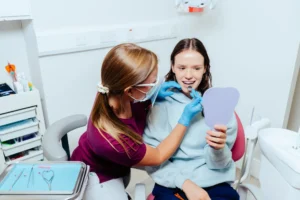
Qualifying dental expenses at a clinic like College Gate Dental Clinic include root canal treatments, dental crowns, bridges, periodontal treatment, orthodontics (braces, Invisalign), dental implants, and surgical wisdom tooth removal. Form Med 2 is required for non-routine dental treatments in Ireland. Routine dental care – standard check-ups, scale and polish, cosmetic teeth whitening, and cosmetic surgery like purely aesthetic veneers – normally does not qualify. Home nursing (20% relief), prescribed medical appliances, and nursing home expenses also qualify. Confirm your practitioner is on the relevant Irish register if unsure.
How to Claim Medical Expenses as a PAYE Taxpayer (myAccount)
As a paye taxpayer, you claim health expenses through revenue’s online services via myAccount – either in real time during the year or after year-end. Paye workers and most pensioners use this route. To set up myAccount, visit the revenue website with your PPS number and contact details.
Real-time claim during the year:
Log in to myAccount → under paye services, select “Manage your tax” for the current year
Select health expenses and enter receipt details: date, provider (e.g. College Gate Dental Clinic), category, amount, and any health insurance refund
Upload receipts or a Med 2 form via the receipt tracker if claiming in-year tax credits adjustments
Year-end claim via Form 12:
After the year ends, open your annual income tax return (Form 12) in myAccount
Complete the health expenses section on your annual tax return form with that year’s health expenses totals
You do not upload documents when submitting a standard year-end tax claim – but keep them safe
Submit. Most online claims receive refunds in five working days if you paid tax in that year
Worked example: You spent €1,000 on qualifying dental treatment in 2025 at College Gate Dental Clinic, with no insurance refund. Claim tax relief through your income tax return and you relief online receive a €200 tax refund.
If you are jointly assessed, the assessable spouse or nominated civil partner submits the claim for both partners and dependants.
How to Claim if You Are Self-Assessed (ROS, Form 11)
A self assessed taxpayer – whether self employed, a proprietary director, or a landlord – files an income tax return (Form 11) through ROS. If you haven’t registered, you’ll need your PPS number, tax reference, and digital certificate. There is no paper form requirement for most self assessed filers.
To claim for expenses within Form 11:
Log in to ROS and open Form 11 for the relevant year
Navigate to the tax credits and reliefs section, then the health expenses section
Enter qualifying expenses after subtracting reimbursements – including medical, dental, nursing home, and home nursing costs
Tax relief on nursing home expenses reduces taxable income at up to 40%
You can individually claim health care costs or claim for expenses paid for a spouse, children, or elderly parents. Most expenses need only the total figure. Keep a spreadsheet of every expense paid during the year – for example, each visit to College Gate Dental Clinic – to make completing the return straightforward. You can claim directly in the section on your annual return.
Dealing with Shared Bills, Different Years, and Health Insurance
Many patients share bills, spread payments, or receive partial refunds. Each scenario affects how you claim health expenses.
More than one person paying: Each person can only claim relief on the portion they actually paid. Example: a €2,000 orthodontic bill where one parent pays €1,500 and the other €500 – each individually files a claim for their share.
Payments across tax years: Where treatment spans two years, you can either claim each payment in the year it was made or, in some cases, elect to claim the full cost in the year treatment began. Be consistent.
Health insurance interaction: Tax Relief at Source already reduces most private health insurance premiums, so you do not claim tax relief again on the premium. For treatment costs, claim only the unreimbursed balance. If a crown costs €900 and your insurer repays €400, you claim medical expenses relief on €500 – giving you €100 back. If your employer pays part of a bill, or a public or local authority or local authority scheme covers it, exclude those amounts.
Nursing home and home nursing: You can claim nursing home expenses for yourself or others. When paying nursing home expenses, relief applies at up to 40%. You must claim nursing home tax relief within four years. Expenses for one accompanying person travelling to treatment may also be covered, along with overnight accommodation if required. Travel and accommodation expenses for treatment abroad may be claimed.
Receipts, Med 2 Forms, and Practical Tips for Maximising Your Claim
You must keep receipts to claim medical expenses – Revenue may request to view your receipts if selected during routine tax returns processing. You must keep original receipts for six years after claiming tax. You do not need to submit receipts with your claim, but you need documentation like receipts and referral letters ready.
General medical receipts: Request itemised receipt details showing date, provider, amount, and treatment. Store paper copies or scan them.
Dental documentation: Non-routine treatments are recorded on a Med 2 form. At College Gate Dental Clinic, patients can request a Med 2 summarising eligible treatments for a given tax year.
Revenue’s receipt tracker: You can use Revenue’s Receipts Tracker in myAccount to store receipt details online. Upload receipts as photos or PDFs and tag each as a health expense.
Tips to maximise your claim:
Do not include amounts covered by insurance or PRSI – only the net expense paid
Note travel costs where permitted for hospital treatment not available locally
Review four year’s health expenses: a 2023 implant or 2024 orthodontic treatment can still be claimed in 2026
If unsure, try calling revenue or visiting your local revenue office for guidance before you make a claim
College Gate Dental Clinic provides detailed receipts and Med 2 forms for qualifying dental work, and our team can explain which treatments are generally eligible – though for formal claiming tax advice, consult Revenue or a tax professional. Don’t leave medical and health expenses relief online unclaimed. A few minutes on myAccount or ROS could mean real money back in your pocket.