
Med 2 Form Dental: The Tax Relief at Source (TRS) System
The TRS system automatically applies tax relief for premiums paid for health insurance. This tax relief is granted as a reduction in the insurance premium amount paid by the individual. However, in certain situations, such as when an employer pays medical insurance premiums for an employee, TRS does not apply. In these cases, the premiums are treated as a Benefit in Kind, and the employee is required to pay tax (PAYE, PRSI, and USC) on the total amount. Employees in this situation can claim tax relief directly from Revenue.
Dental Expenses: Claimable Amounts & Limits
Tax relief on qualifying dental expenses is granted at a rate of 20% of the expenses incurred, up to a limit of €1,000 per adult and €500 per child in a calendar year. A child is defined as someone under 21 years of age for whom a child premium has been paid.

Identifying Tax Deductible Dental Expenses
It is crucial to understand which dental expenses are tax deductible to maximize tax savings. Dental expenses are divided into two categories: routine and non-routine.
Non-Tax Deductible Routine Dental Care
Routine dental care expenses do not qualify for tax relief. Examples of non-tax deductible routine dental care include:
Normal dental fillings
Dental hygiene visits, scaling or cleaning
Tooth extractions
Providing or repairing artificial teeth or dentures
Tax Deductible Non-Routine Dental Treatments
Non-routine dental care expenses are eligible to claim relief. Examples of tax deductible non routine dental procedures that qualify for tax relief include crowns, veneers, root canal treatments, and orthodontic treatments, as well as:
- Crowns (all types)
Veneers or etched fillings
Tip replacing
Gold posts or fibreglass posts
Root Canal – endodontics treatment
Periodontal treatment for gum disease, such as:
Root planing
Chrome cobalt splints (but not if it contains teeth)
Orthodontic treatment (braces and connected treatments)
Surgical extraction of impacted wisdom teeth
Bridgework (enamel-retained bridge or a tooth-supported bridge)
Claiming Tax Relief for Dental Work Done Abroad
Tax relief can be claimed on dental treatments received abroad, as long as the dental surgeon is legally practicing dentistry in the country where the treatment took place. There is no requirement to prove that the treatment could not have been received in Ireland or that there was an urgent need for the treatment abroad. However, travel expenses associated with the dental treatment cannot be claimed. For dental work done outside of Ireland, the dentist complete and sign the Med 2 form for the claim.
The Role of the Med 2 Form in Dental Expense Claims
The Med 2 Form is mandatory proof that the treatment was non-routine for tax relief purposes, and it acts as a receipt rather than the actual claim form. Taxpayers use it to claim dental expenses, but they do not send the Med 2 Form with their claim and should keep it for their own records. Revenue may request the Med 2 Form during the claim verification process, so it should be retained for six years in case the Revenue Commissioners audit or check the claim.
Obtaining and Submitting the Med 2 Form
The dentist should complete the Med 2 Form for the patient to use as a receipt. When claiming tax relief on non-routine dental expenses, the taxpayer must include the relevant amount in their health expenses claim under the Non-Routine heading and have a completed Med 2 Form.
The dental clinic should provide the Med 2 Form after the treatment. If the treatment extends over multiple years, the clinic should complete a separate Med 2 Form for each year.
Claiming Tax Relief from Revenue on Dental Expenses
Taxpayers can claim tax relief online through Revenue’s myAccount service on the Revenue website. Revenue’s myAccount service includes a receipts tracker that allows users to store receipt details online. Taxpayers using the receipts tracker can claim tax relief under the Real Time Credit service, enabling them to claim for health expenses and nursing home expenses when they are paid. As a result, the taxpayer receives increased tax credits in their next payroll payment from their employer. Real Time Credit claims can be made using the myAccount service.
If the taxpayer does not use the receipts tracker, they must retain their medical receipts for six years, as Revenue may investigate the claim. In such cases, the taxpayer will not benefit from the Real Time Credit service and will need to claim tax relief separately.
Key Takeaways for Maximizing Tax Savings on Dental Expenses
Understand which dental expenses qualify for tax relief: Non-routine dental treatments are eligible for tax relief, while routine dental care is not.
Keep the Med 2 Form as a receipt for dental expenses: Retain the Med 2 Form provided by the dental clinic for tax relief claims, even though it does not need to be sent to Revenue.
Use Revenue’s myAccount service for claims: Utilize the online myAccount service and the receipts tracker feature to streamline tax relief claims and benefit from the Real Time Credit service.
Be mindful of the tax relief limits: Tax relief on dental expenses is granted at a rate of 20% of the qualifying expenses, up to a limit of €1,000 per adult and €500 per child in a calendar year.
Dentist Near Me
About College Gate Dental – Glasnevin, Dublin
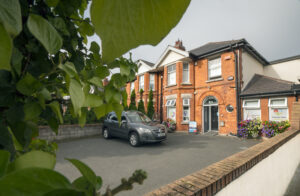
College Gate Dental are one of Dublin’s leading dental clinics. Conveniently based in Glasnevin we are accepting new patients at present. We have lots of parking and flexible scheduling options. Our highly qualified team provide professional dental care with state-of-the-art technology.
We offer affordable treatments & payment plans and a full range of specialist and general dental services (dental examination, hygienist appointments, fillings, tooth extractions, wisdom teeth, root canal, crowns, emergency dental treatment, dental implants, composite bonding, veneers & teeth whitening.
Our experienced staff take great care to make your visit comfortable and pain-free & we do have availability for new patients. We are committed to the highest quality dental care and long-term oral health for our patients in Glasnevin, Drumcondra, Santry, Whitehall, Phibsborough, and surrounding areas. Call us today to make an appointment.”